
Wisdom Teeth Removal in Durham, NC

Wisdom teeth are the last molars to arrive, usually between the ages of 17 and 25. Some people keep them for life without any trouble at all. Others do not have room for them, and the tooth crowds its neighbour, tilts, erupts only part of the way, or stays trapped beneath the gum. Dr. Erfan Imeni carries out routine wisdom teeth extraction here in our Durham office, and we see patients from Chapel Hill, Raleigh, Brier Creek and Cary.
%2520(1).webp)
When Wisdom Teeth Need to Come Out
A wisdom tooth that has come through fully, sits in line with the rest of your teeth and can be kept clean does not need to be touched. We will tell you that plainly and simply watch it at your regular check-ups. Removal is recommended when the tooth is causing a problem, or is clearly about to.
Impaction
Impaction is the most common reason. There is not enough room at the back of the jaw, so the tooth pushes against the molar in front of it, comes through at an angle, or never breaks the gum at all. An impacted wisdom tooth can damage the healthy tooth beside it in a way that is far harder to repair than the extraction would have been.
Repeated infection
When a wisdom tooth erupts only partly, a flap of gum sits over it and traps food and bacteria underneath. That tissue becomes sore and swollen, settles with treatment, then flares again. Once that cycle is established, removing the tooth is usually what ends it.
Decay that cannot be restored
Wisdom teeth sit at the very back of the mouth where a toothbrush reaches poorly. Decay there is common and often difficult to fill well. Where a filling would not last, tooth extraction is the more predictable answer.
Crowding and pressure
Pressure from an erupting wisdom tooth can contribute to crowding at the front of the mouth, and is sometimes addressed before or during orthodontic treatment.
A panoramic X-ray and a clinical exam show which of these applies to you, and whether the roots sit close to the nerve. You will be shown the image and told what it means before any decision is made.
What Wisdom Teeth Extraction Involves
Wisdom teeth extraction is a planned appointment, not something done on the day you first raise it. It begins with an examination and an X-ray so we know the shape and depth of the roots before we start.
Comfort and sedation
The area is numbed with local anesthetic, which is what stops you feeling the procedure. If the appointment itself makes you anxious, sedation dentistry is available - nitrous oxide wears off within minutes, and oral sedation leaves most patients relaxed and remembering little of the visit. If you have sedation, you will need someone to drive you home.
A fully erupted tooth
A wisdom tooth that has come through normally is removed much like any other tooth: the tooth is loosened in its socket and lifted out. These appointments are usually short.
An impacted tooth
A tooth still covered by gum or bone takes longer. A small opening is made in the gum, and the tooth is usually sectioned - divided into pieces and lifted out one at a time. That sounds more involved than removing it whole, and it is, but it is considerably gentler on the surrounding bone. Stitches are sometimes placed; most dissolve on their own.
When we refer
Straightforward wisdom teeth removal is carried out in our Durham office. Where a case calls for training beyond general practice - a deeply impacted tooth lying against the nerve, for example - we refer you to a specialist and stay involved in your treatment rather than stretching beyond our scope. You are always told why, and our referral approach is explained before anything is arranged.
Recovery After Wisdom Teeth Removal
Most people take three to four days to feel normal again, though the socket itself takes a few weeks to close over and the bone underneath continues to fill in for months. Knowing the shape of a normal recovery makes it much easier to tell when something is not going to plan.
The first 24 hours
A blood clot forms in the socket and protecting it is the whole job of day one. Bite gently on the gauze until bleeding stops. Do not rinse forcefully, spit hard, or drink through a straw. Do not smoke. Keep to soft food and cool or lukewarm drinks, and rest.
Days two and three
Swelling usually peaks around the second day and then begins to settle - this is expected and is not a sign that anything is wrong. An ice pack against the cheek helps. Keep the rest of your mouth clean, brushing carefully around the site.
Dry socket
If the clot is dislodged too early, the bone beneath is left exposed and a deep, throbbing ache sets in around day three, often reaching the ear. This is dry socket. Smoking and using a straw are the two things most likely to cause it. It is treatable and settles quickly once dressed, so call us rather than waiting it out.
When to call us
Get in touch if bleeding has not slowed after several hours, if swelling is still increasing after the third day, if pain is climbing rather than easing, or if you develop a fever. Outside office hours our emergency dental line is the route to reach us.
Our day-by-day wisdom teeth recovery guide sets the timeline out in more detail.
Wisdom Teeth Removal Cost and Common Questions
How much does wisdom teeth removal cost in Durham, NC?
Cost depends on how many teeth are being removed, whether each one is fully erupted or impacted, how deep the roots sit, and whether you choose sedation. A single erupted tooth and four impacted ones are very different appointments. Because wisdom teeth removal is usually medically necessary rather than cosmetic, dental insurance often covers part of it. We will give you a written estimate after the examination and X-ray, before treatment begins - call 919-220-5505 to arrange an evaluation.
Do all wisdom teeth have to be removed?
No. A wisdom tooth that has come through fully, is not crowding anything, and can be kept clean is usually left alone and watched at your regular check-ups. Removal is recommended when the tooth is causing pain, decay, infection, or damage to the tooth next to it.
Does wisdom teeth extraction hurt?
The area is fully numbed first, so most patients describe pressure and movement rather than pain during the procedure. Soreness for a few days afterwards is normal and is usually managed with over-the-counter pain relief. We go through pain relief with you before you leave.
Should all four be taken out at once?
Often, yes - one recovery period instead of several, and one course of time off. Where a case is more involved, or where you would rather not have that much done in a single visit, it can be staged. We will talk through both options at the consultation.
What is the best age for wisdom teeth removal?
Roots are not yet fully formed in the late teens and early twenties, and bone is more forgiving, so recovery tends to be quicker then. That said, wisdom teeth are removed successfully at any age when there is a reason to remove them.
How soon can I go back to work or school?
Most people take two to three days. Plan for longer after a deeply impacted extraction, and avoid strenuous exercise for the first few days, since raising your blood pressure can restart bleeding.
Implant Cases
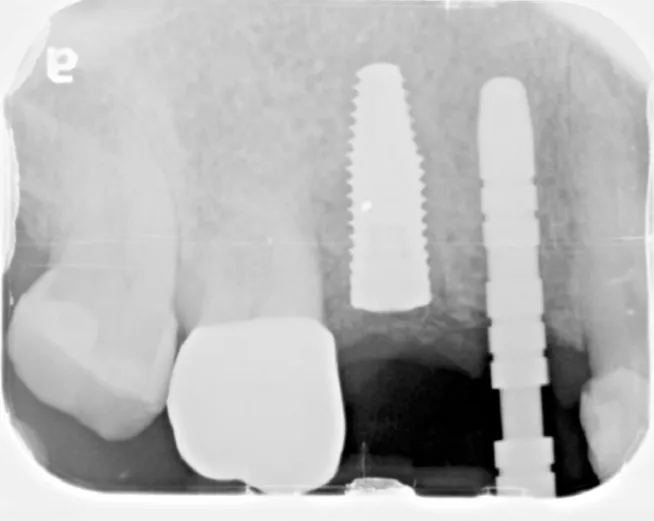
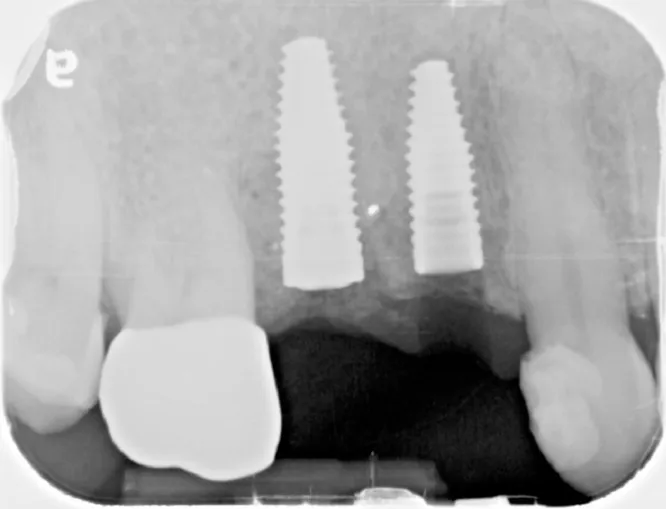
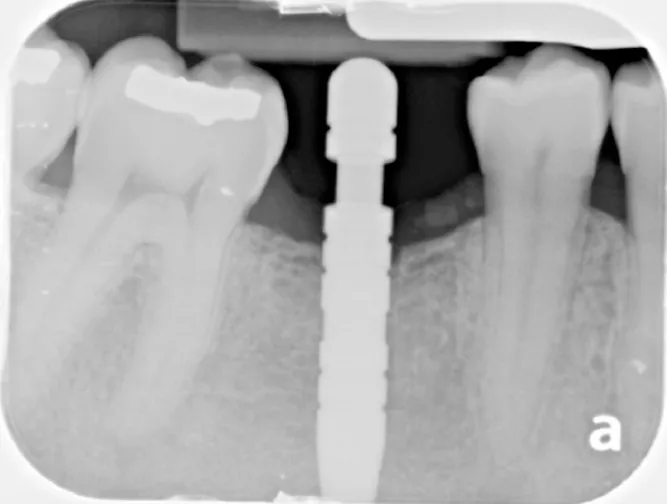
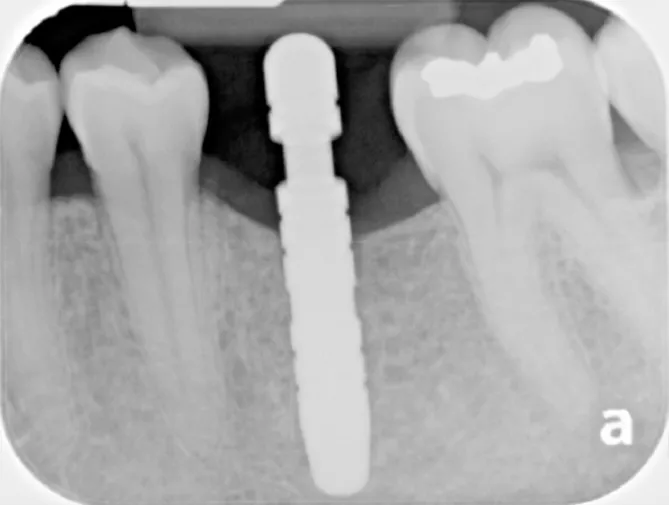
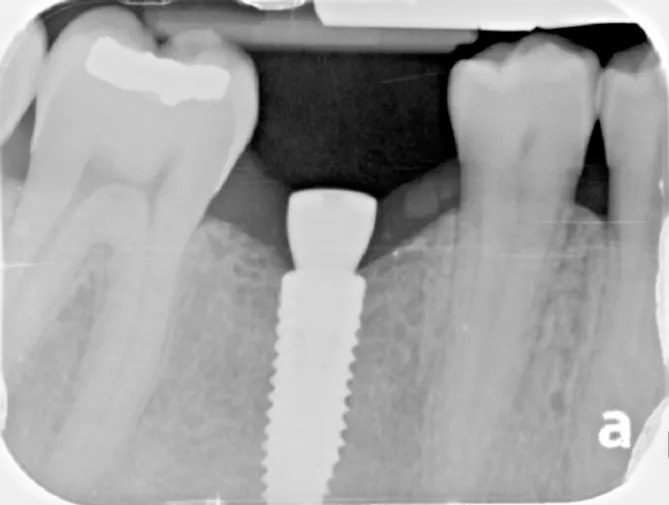
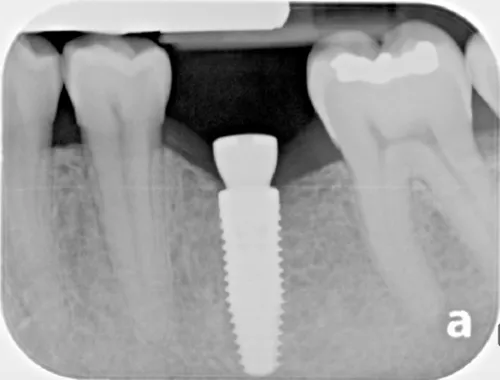
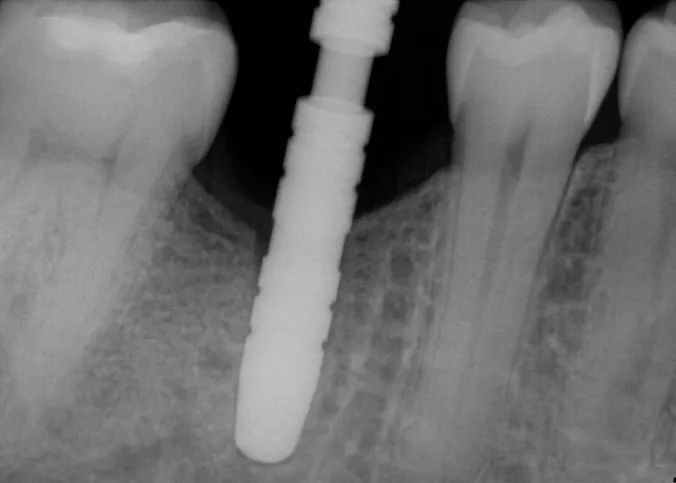
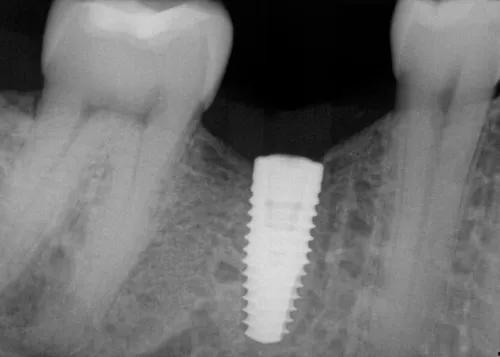
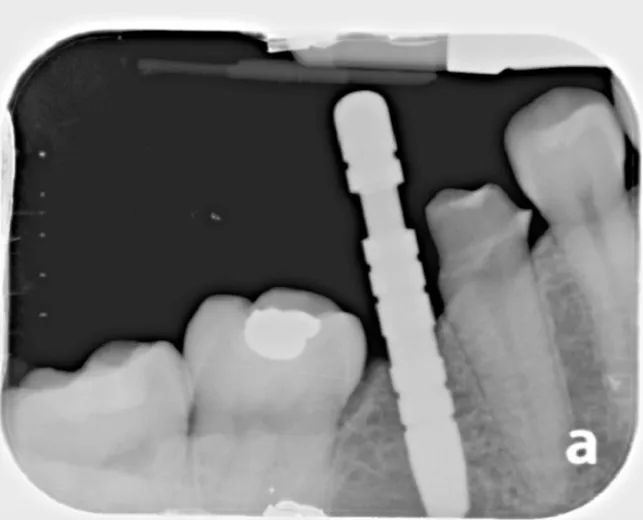
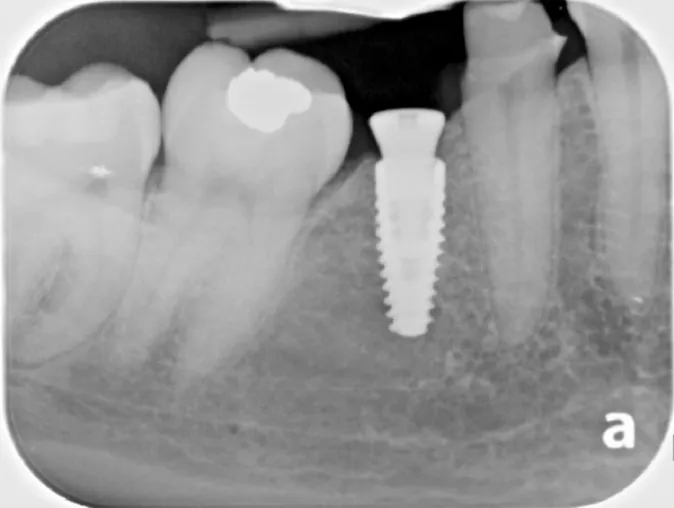
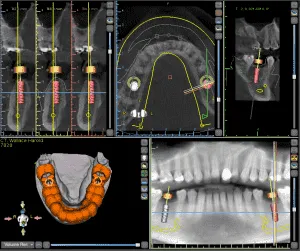
CBCT 3D X-Ray Guided Implants
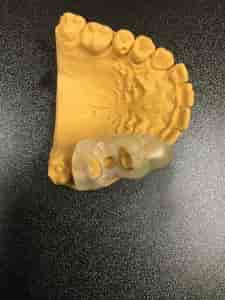
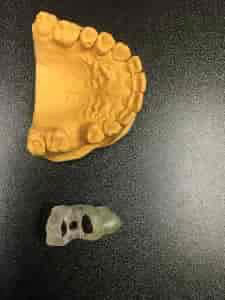
CBCT Technology allows for 3D views of the entire jaw of patients. With this 3D view, Implant planning software is used to fabricate a guide that drives implants precisely in the planned position.
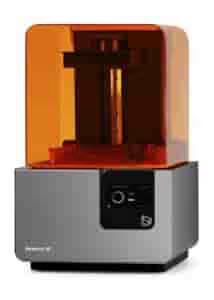
3D Printer & 3D Printed Surgical Guide on Stone Model
Book a Wisdom Teeth Consultation in Durham, NC
If a wisdom tooth is sore, swollen, or your dentist has told you it is impacted, an examination and X-ray will tell you where you stand - including whether it needs to come out at all. Call 919-220-5505 to arrange an evaluation with Dr. Imeni.