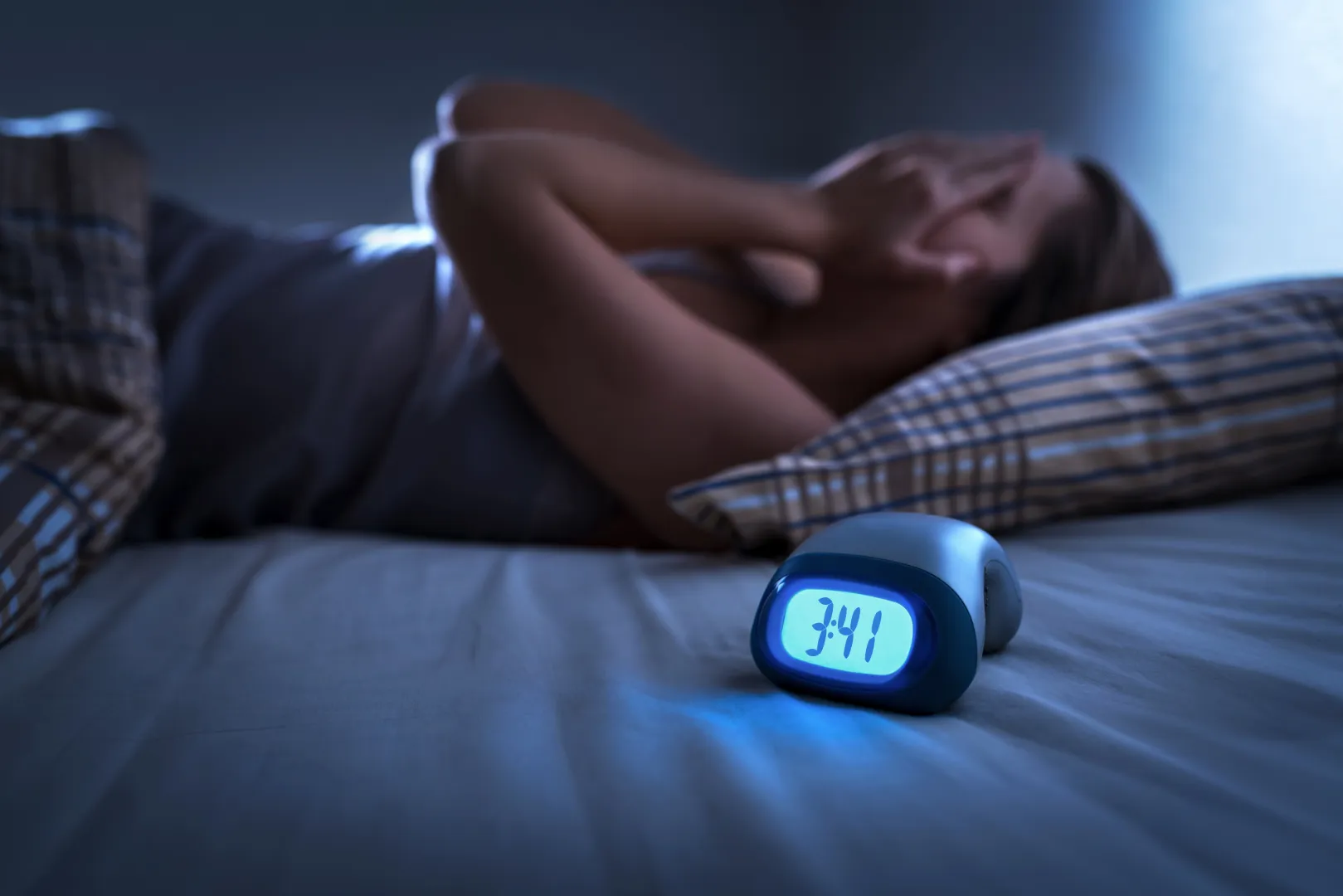
Mild sleep apnea is the earliest stage of obstructive sleep apnea, defined by 5 to 15 breathing interruptions per hour of sleep. Common signs include snoring, morning headaches, daytime fatigue, and waking up unrefreshed. While it’s the least severe category, mild sleep apnea can still affect your health and quality of life — and it often responds well to treatment, including comfortable dental appliances that keep the airway open during sleep.
Understanding Mild Sleep Apnea
Obstructive sleep apnea (OSA) happens when the airway becomes partially or fully blocked during sleep, causing repeated pauses in breathing. Doctors measure its severity using the apnea-hypopnea index (AHI), which counts how many times breathing is interrupted per hour. An AHI of 5 to 15 is classified as mild, 15 to 30 as moderate, and above 30 as severe.
Signs and Symptoms of Mild Sleep Apnea
Because episodes happen during sleep, many people don’t realize they have it. Common signs include:
- Loud or frequent snoring
- Waking up with a dry mouth or sore throat
- Morning headaches
- Daytime sleepiness or fatigue despite a full night in bed
- Difficulty concentrating or irritability
- A partner noticing pauses in your breathing at night
Does Mild Sleep Apnea Need Treatment?
Even in its mild form, sleep apnea is worth addressing. Left untreated, it can progress and is associated with increased risks to heart health, blood pressure, and daytime alertness. Treating it early often means simpler, more comfortable solutions than those needed for advanced cases — and many patients notice better sleep and energy quickly.
Treatment Options for Mild Sleep Apnea
Treatment is tailored to the severity and cause. For mild cases, several approaches are common:
- Lifestyle changes such as weight management, side-sleeping, and limiting alcohol before bed
- Oral appliance therapy — a custom dental device that positions the jaw to keep the airway open
- Addressing nasal congestion or other contributing factors
- CPAP therapy in some cases, though many mild cases are managed without it
Oral appliance therapy is especially popular for mild sleep apnea because the devices are compact, quiet, and easy to travel with — and many patients find them more comfortable than a CPAP machine.
How a Dentist Can Help With Sleep Apnea
Dentists play an important role in managing mild sleep apnea through custom oral appliances. A dentist can take precise impressions of your teeth to create a device designed specifically for your mouth. You can learn more in our related article on the treatment for sleep apnea.
A dental sleep evaluation is not a substitute for a medical diagnosis. If sleep apnea is suspected, a sleep study is typically needed to confirm it — but your dentist can be a key partner in comfortable, ongoing treatment.
Talk to a Durham, NC Dentist About Better Sleep
Smile Design Modern Dentistry serves Durham and the surrounding communities of Chapel Hill, Cary, Brier Creek, and Raleigh. If snoring or daytime fatigue is affecting your life, our team can discuss comfortable, dentist-provided options to help you sleep better.
Schedule a consultation at Smile Design Modern Dentistry by calling (919) 220-5505 today.