
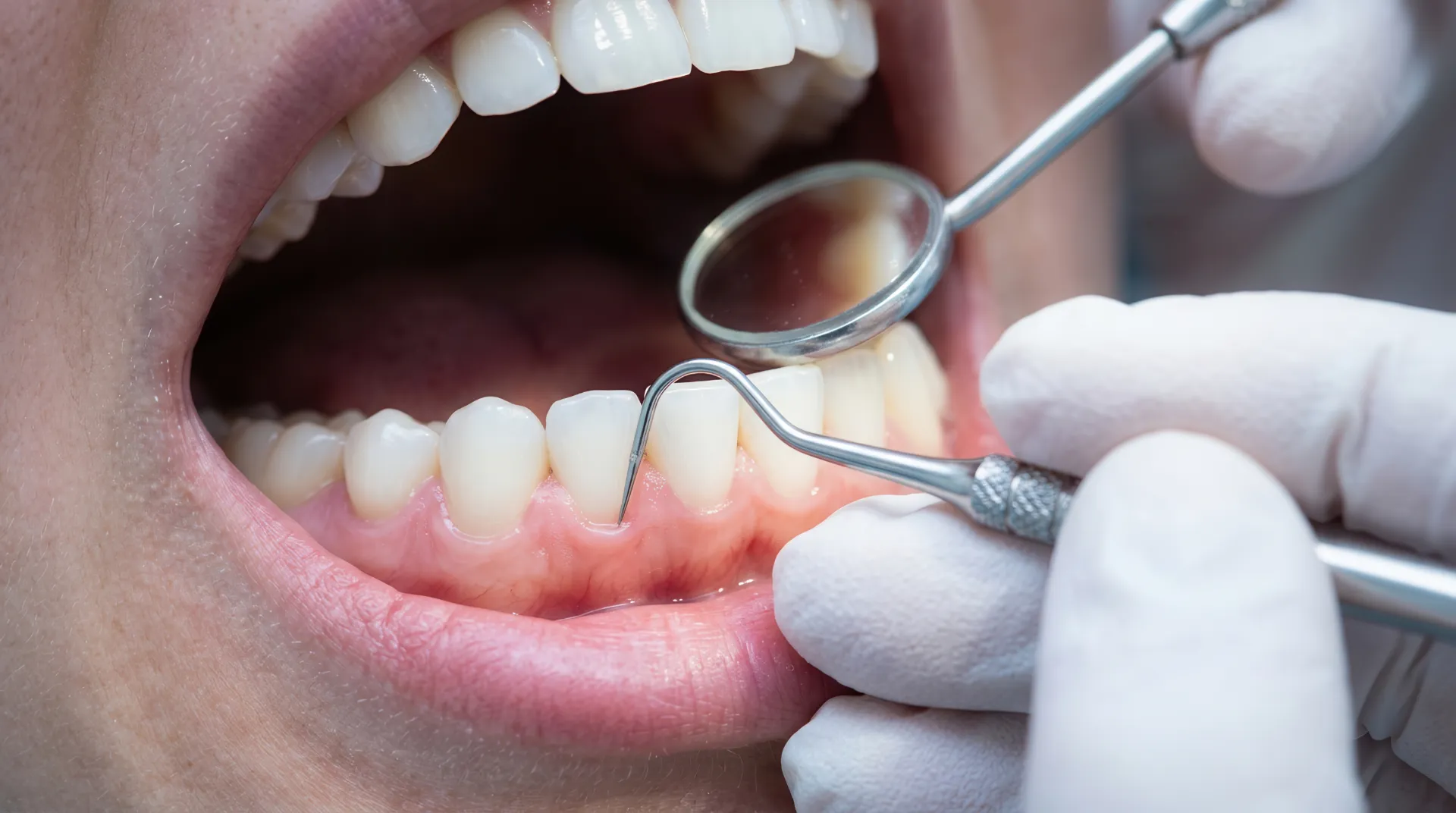
LANAP (Laser-Assisted New Attachment Procedure) is a minimally invasive laser treatment for gum disease that replaces traditional cut-and-suture gum surgery. Using a specialized dental laser, LANAP targets and removes the bacteria causing periodontal disease while preserving healthy gum tissue. The result is less post-operative discomfort, faster healing, and no scalpels or stitches — and it can be completed in just one or two visits.
What Is LANAP?
LANAP stands for Laser-Assisted New Attachment Procedure. It’s a significant advancement in treating periodontal (gum) disease. Unlike traditional gum surgery that requires cutting and suturing, LANAP uses the PerioLase MVP-7 Nd:YAG laser to precisely target and eliminate the bacteria causing gum disease without harming healthy tissue.
How Does the LANAP Procedure Work?
The laser is guided between the gum and the tooth, where it removes diseased tissue and bacteria while leaving healthy tissue intact. It also helps stimulate the body’s natural ability to regenerate the tissue and bone that support your teeth. Because there’s no cutting or stitching, the process is gentler on the mouth than conventional surgery.
Most LANAP treatment can be completed in one or two visits, with each visit lasting roughly two to three hours depending on the extent of the gum disease being treated.
Is LANAP Painful?
LANAP is typically less painful than traditional gum surgery because of its minimally invasive nature. While every patient’s comfort threshold varies, local anesthesia is often sufficient to ensure a pain-free experience during the procedure. Most patients are able to return to their daily routines immediately afterward.
Benefits of LANAP Over Traditional Gum Surgery
- No scalpels and no sutures
- Less post-operative discomfort and swelling
- Faster healing and recovery times
- Preserves more of your natural gum tissue
- Can be completed in just one or two visits
- As effective as traditional surgery for treating gum disease
What to Expect After LANAP
Recovery is generally quick. Patients may notice slight gum sensitivity and are usually advised to eat soft foods for a few days. You’ll receive detailed aftercare instructions to support a smooth recovery. It’s important to know that LANAP manages periodontal disease effectively but isn’t a permanent cure — gum disease is a chronic condition, so regular follow-up visits and good oral hygiene are essential to maintaining your results.
Who Is a Candidate for LANAP?
LANAP can treat all stages of periodontal disease, from early gingivitis to advanced periodontitis. Most patients — including those with certain medical conditions or taking specific medications — can safely undergo the procedure. As always, it’s important to discuss your full medical history with your dentist during a consultation to confirm the best approach for you.
Laser Gum Treatment in Durham, NC
Smile Design Modern Dentistry offers LANAP in Durham, serving patients throughout Chapel Hill, Cary, Brier Creek, and Raleigh. Dr. Erfan Imeni and our team prioritize your comfort at every step of your gum health journey.
Schedule your LANAP consultation at Smile Design Modern Dentistry by calling (919) 220-5505 today.
Request Appointment | (919) 220-5505
How Is LANAP Different From Traditional Gum Surgery?
Conventional periodontal surgery treats gum disease by cutting the gum tissue away from the tooth, cleaning the root surface, and suturing the tissue back. It works, but it means incisions, stitches, and a recovery period — and because tissue is removed, it often leaves noticeably more of the root exposed. LANAP reaches the same infected pockets with a laser fibre thinner than a strand of floss, so there is no scalpel and no suturing.
Does LANAP Hurt?
The procedure is performed under local anaesthetic and most patients describe it as considerably more comfortable than they expected. Because no tissue is cut and nothing is stitched, post-operative discomfort is usually mild and short-lived — most people manage with over-the-counter pain relief and return to work the next day.
What Does Recovery Involve?
Expect a soft diet for a few days while the treated tissue stabilises, and some tenderness or slight tooth mobility that settles as the area heals. Avoid vigorous brushing directly over the treated sites until we clear you. The gum's reattachment to the root continues over the following months, and we monitor it at review appointments.
Who Is a Good Candidate?
LANAP is designed for moderate to advanced periodontitis — deeper pockets, bone loss, and gums that bleed and recede — rather than for early gingivitis, which usually responds to a deep cleaning. It is often the preferred route for patients on blood thinners or with health conditions that make conventional surgery risky, precisely because there is no incision. It is also a strong option if fear of gum surgery is what has kept you from treatment.
What Happens If Gum Disease Goes Untreated?
Periodontitis is the leading cause of adult tooth loss, and it is not confined to the mouth — the inflammation is associated with cardiovascular disease and poorer blood-sugar control. It is also painless until it is advanced, which is why it so often goes unaddressed. Ongoing periodontal maintenance after treatment is what keeps results stable.