
A complete single-tooth dental implant — the titanium post, the abutment that connects it, and the crown you chew with — typically costs $3,000 to $6,500 in 2026. Most published Durham-area estimates land between the high $3,000s and the mid $4,000s, slightly below the national average of roughly $4,300. Full-arch options such as All-on-4 usually run $15,000 to $25,000 per arch.
Those ranges are wide because a dental implant is not one product with one price. It is a small surgical and restorative project, and the total follows what your mouth actually needs: how many teeth you are replacing, how much bone is available, the materials you choose, and which preparatory procedures come first. This guide breaks down every piece of dental implant treatment in Durham — what each part costs, what insurance really pays, and the practical ways patients bring the number down.
One honest note before the numbers: national and North Carolina averages tell you what is typical, not what your case costs. The only way to get a real figure is an exam, 3D imaging, and a written, itemized treatment plan.
Dental Implant Costs at a Glance
- Single-tooth implant (post + abutment + crown): $3,000–$6,500
- Implant-supported bridge (3–4 teeth on 2 implants): $5,000–$15,000
- All-on-4 full arch, acrylic hybrid: $15,000–$25,000 per arch
- Full arch in zirconia: $25,000–$38,000 per arch
- Full mouth (both arches): $30,000–$50,000+
- Tooth extraction: $100–$650 per tooth
- Bone graft: $500–$3,000 per site
- Sinus lift: $1,500–$5,000 per side
Every line above is explained below — including which of these most patients can skip, which are genuinely necessary, and where the money hides in a quote that looks too good.
How Much Does a Single Tooth Implant Cost in Durham, NC?
Nationally, a complete single-tooth implant runs $3,000 to $6,500, with the average around $4,300. Durham sits a little under that: 2026 cost surveys for the area put a complete single implant near $3,700 to $4,400, and North Carolina as a whole typically ranges $3,000 to $6,000. That figure should cover all three components plus the surgical visit — if a quote is dramatically lower, it almost always prices only one of the three parts.
Replacing two or three scattered teeth multiplies that per-tooth figure, while several missing teeth in a row can often share implants — see our single and multiple tooth implant options for how those cases are planned.
What Do the Post, Abutment, and Crown Each Cost?
Itemized, the three components of a single implant break down like this:
- Implant post — the titanium root placed in the jaw: $1,000–$3,000
- Abutment — the connector between post and crown: $400–$1,000
- Implant crown — the visible tooth: $800–$3,000
This breakdown is worth remembering for one reason: advertised implant specials frequently quote the post alone. Add a mid-range abutment and crown, and the real total lands right back in the normal range. When you compare quotes, compare the all-in number for the finished tooth.
How Much Does an Implant-Supported Bridge Cost?
When three or four neighboring teeth are missing, you usually do not need an implant for each one. Two implants can anchor a bridge across the whole gap. In North Carolina, implant-supported bridges generally run $5,000 to $15,000 depending on how many implants and teeth are involved — meaningfully less per tooth than individual implants. Whether a bridge or separate implants fit your case better is a planning decision; our guide to choosing between a dental implant and a bridge walks through the trade-offs.
How Much Do All-on-4 or Full-Mouth Implants Cost?
Full-arch treatment — often called All-on-4, All-on-X, or permanent teeth — replaces an entire upper or lower arch on four to six implants. In 2026, most U.S. quotes for an acrylic-hybrid arch fall between $15,000 and $25,000 per arch; the national average is close to $15,000, with real quotes spanning roughly $12,000 to $27,500. Choosing zirconia for the final bridge raises the range to about $25,000–$38,000 per arch, and a full mouth — both arches — typically totals $30,000 to $50,000 or more.
The spread comes mostly from the prosthetic material, the number of implants, and whether extractions and temporary teeth are bundled into the fee. Recovery is more predictable than most patients expect — see how long All-on-4 implants take to heal.
What Determines the Cost of Dental Implants?

Six factors move an implant quote up or down more than anything else:
- How many teeth you are replacing — and where. Front-of-mouth implants demand more cosmetic precision; molars carry heavier bite forces.
- Your jawbone. Enough healthy bone means straightforward placement. Bone loss adds grafting, covered below.
- Materials. Titanium versus zirconia posts, and acrylic versus zirconia full-arch teeth, carry very different lab fees.
- Imaging and planning. At Smile Design Modern Dentistry, implant cases are planned on CBCT 3D imaging with 3D-printed surgical guides, so the surgical step follows a rehearsed digital plan rather than an estimate.
- Sedation. Local anesthetic is standard; adding sedation for comfort adds cost, and for longer surgical visits many patients find it well worth it.
- Who does the work, and where. Fees differ between providers and regions — and between having surgery and restoration completed in one office versus split across two.
Which Add-On Procedures Should You Budget For?
Not every patient needs preparatory work, but when it appears on a treatment plan, these are the usual 2026 ranges:
- Tooth extraction: about $100–$250 for a simple removal, up to roughly $650 for a surgical extraction
- Socket preservation — a small graft placed the day a tooth comes out: $150–$400, which often prevents a larger graft later
- Bone graft: $500–$3,000 per site, depending on the size of the repair and the material used
- Sinus lift — for upper back teeth when the sinus sits low: $1,500–$5,000 per side
A CBCT scan settles which of these actually apply to you. Many patients need none of them; budgeting a cushion for one is still wise if your tooth has been missing for years.
Does Dental Insurance Cover Dental Implants?
Sometimes — and rarely all of it. Many dental plans still classify implants as elective and exclude them entirely. Plans that do cover implants typically pay 40–50% after your deductible, and only up to your plan's annual maximum, which is usually $1,000 to $2,000. In practice, that means insurance most often contributes a four-figure amount toward a larger total rather than half the bill.
Two useful nuances: even when a plan excludes the implant post itself, it may still cover the extraction, the bone graft, or the crown as separate line items. And medical insurance occasionally participates when tooth loss stems from an accident or a medical condition. Our team verifies benefits line by line before treatment — see our insurance and financing options — so you know the real out-of-pocket cost before anything starts.
Can You Use an HSA or FSA for Dental Implants?
Yes. Dental implants are an eligible expense for both health savings accounts and flexible spending accounts. For 2026, HSA contribution limits are $4,400 for individuals and $8,750 for families, and the FSA limit is $3,400. Because these are pre-tax dollars, paying through an HSA or FSA effectively discounts treatment by your tax rate — and both stack on top of whatever your insurance pays.
One timing note: most FSA funds expire at the end of the plan year, while HSA balances roll over. Patients splitting a larger case across December and January can often draw on two plan years of funds for a single course of treatment.
How Can You Make Dental Implants More Affordable?
Beyond insurance and pre-tax accounts, these strategies consistently lower the real cost:
- Get an itemized written plan so you can see what is surgery, what is parts, and what is optional.
- Phase treatment — extraction and grafting in one plan year, implant and crown in the next, using two rounds of insurance benefits and FSA funds.
- Choose socket preservation at extraction rather than paying for a larger graft later.
- Ask about monthly financing — most treatment plans can be broken into payments; details are on our patient information page.
- Consider a bridge where it genuinely fits — for several adjacent missing teeth, an implant-supported bridge costs less than one implant per tooth.
For broader strategies, see our guide on how to reduce your costs for dental care.
Does Waiting Make Dental Implants Cost More?
Usually, yes. The jawbone that held a missing tooth begins to shrink once the tooth is gone, and the fastest loss happens in the first year. A case that needs no grafting today can need a $500–$3,000 graft — or, in the upper back jaw, a $1,500–$5,000 sinus lift — after a few years of waiting. Neighboring teeth also drift into the gap, which can add orthodontic or restorative steps before an implant fits.
If the budget is genuinely tight right now, the affordable move is not to do nothing — it is to protect the site with socket preservation at extraction and put a phased plan on paper, so the case does not grow while you save.
Why Do Implant Quotes Vary So Much?
Two quotes for "one implant" can be thousands of dollars apart and both be honest — they are simply not pricing the same thing. Before comparing, confirm what each includes: the CBCT scan and planning, the surgical guide, the abutment and crown (not just the post), any temporary tooth while you heal, sedation, and follow-up visits. Ask whether surgery and the final crown happen in one office or are split between two providers with two fee schedules. An itemized plan makes a fair comparison possible; a single round number rarely does.
What to Expect at an Implant Consultation in Durham
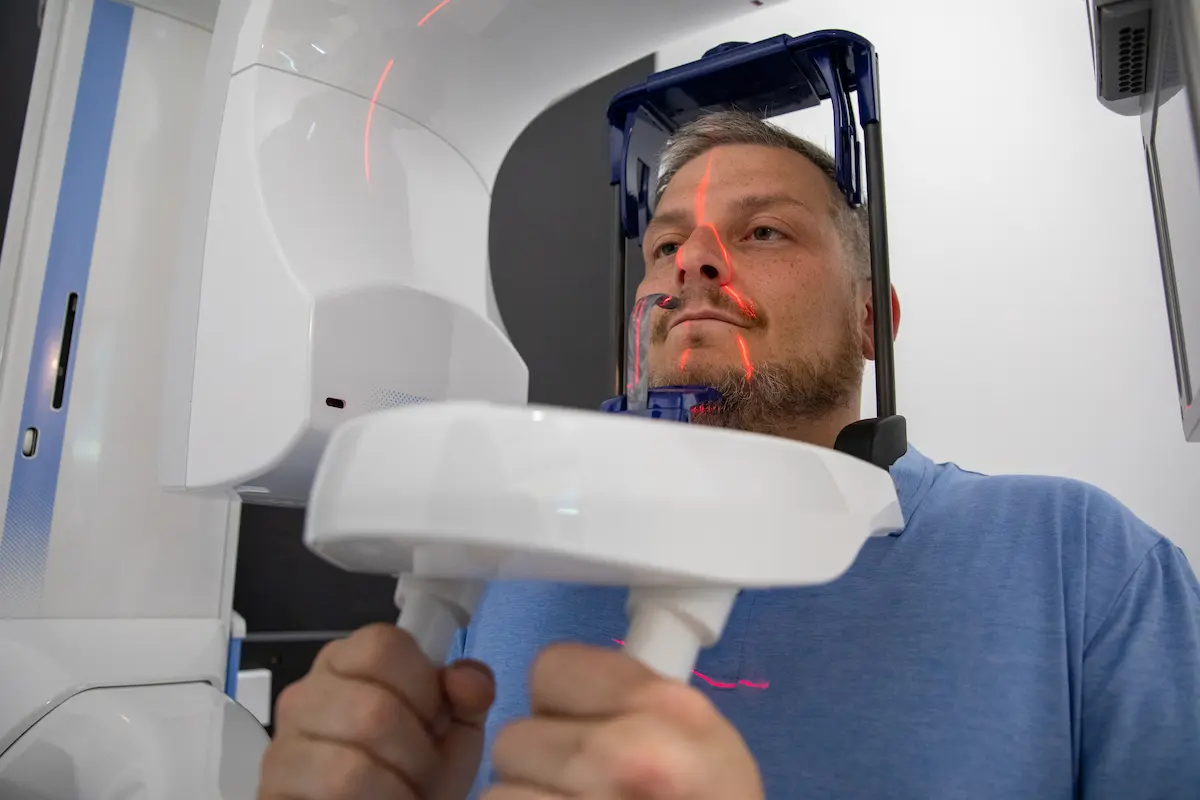
An implant consultation at Smile Design Modern Dentistry starts with an exam and CBCT 3D imaging to measure exactly how much bone is available. From there, Dr. Erfan Imeni — who has extensive experience with single-tooth, multiple-tooth, and full-arch implant cases — plans the case digitally and, where indicated, uses a 3D-printed surgical guide so placement follows the plan precisely. You leave with a written, itemized treatment plan: what is needed, what is optional, what insurance is expected to pay, and what a monthly payment would look like.
Nervous about dental surgery? You are in good company, and comfort is part of the plan — ask about oral sedation and nitrous oxide options when you book.
Ready for a real number instead of a range? Call (919) 220-5505 or request an appointment for an implant consultation — you keep the written plan either way.
Are Dental Implants Worth the Cost?
For most patients who are candidates, yes — because the real comparison is not implant versus nothing, it is implant versus solutions you re-buy. Traditional bridges typically need replacement every 10–15 years and require reshaping healthy neighboring teeth; dentures need relines and remakes and do not stop bone loss. An implant is the only tooth replacement that preserves jawbone, and with good care the post itself can last for decades. It costs more up front and often less per year of service.
How Long Do Dental Implants Last?
With good oral hygiene and regular checkups, the implant post can last for decades — for many patients, the rest of their life. The crown on top lives a harder life: normal chewing wear means implant crowns are commonly replaced after 10 to 15 years, at crown-only cost rather than full-implant cost. Smoking, uncontrolled diabetes, and untreated gum disease are the main threats to an implant's lifespan.
Is All-on-4 Cheaper Than an Implant for Every Tooth?
Substantially. Replacing every tooth in an arch with its own implant would take eight to ten implants plus individual crowns; All-on-4 supports the entire arch on four to six implants and one prosthetic bridge. That is exactly why the design exists — full-arch function at a per-arch price of $15,000–$25,000 instead of a per-tooth rebuild that would cost far more.
Do Dental Schools Near Durham Offer Lower-Cost Implants?
Yes — and it is a legitimate option worth knowing about. The UNC Adams School of Dentistry in Chapel Hill, about 12 miles from Durham, places implants in supervised teaching clinics at roughly half of typical private-practice fees. The trade-offs are real: longer treatment timelines, more and longer appointments, and care delivered by residents under faculty supervision. If price is the deciding factor and you can invest the time, it deserves a look; if you want one experienced team and a compressed timeline, private care remains the better fit.
How Much Are Dental Implants Across North Carolina?
Statewide, complete single implants generally run $3,000 to $6,000, with metro averages in the high $3,000s to mid $4,000s — Durham and Raleigh track close together, and both sit slightly below the national average. Full-arch pricing in North Carolina follows the national $15,000–$25,000 per-arch pattern. Wherever you get a quote, the same rule applies: compare complete, itemized totals for the finished result, not headline numbers.